Common Reasons Your Pressure Washer Keeps Losing Pressure Fast
A pressure washer that starts strong and then fades within minutes is frustrating, especially when you are trying to clean a driveway, deck, fence or boat in Geelong. Sudden or repeated pressure loss almost always points to a specific fault that can be identified and often fixed at home. This guide explains the most common causes, how to diagnose them, and when it makes sense to call a local repair specialist.
How a Pressure Washer Builds Pressure
Understanding the basics makes troubleshooting easier. A pressure washer uses an engine or electric motor to drive a pump. The pump draws water from your garden tap, pressurises it, and forces it through a hose and out a narrow nozzle. Pressure depends on three things working together: a steady water supply, a healthy pump with sealed valves and seals, and a clear, correctly sized nozzle. A problem in any one of these areas can cause pressure to drop quickly.
Water Supply Problems
Insufficient Water Flow
Pressure washers are rated for a minimum flow, usually measured in litres per minute. If your tap, garden hose or fittings cannot deliver enough water, the pump starves and pressure falls or pulses. A kinked inlet hose, a partly closed tap or a hose that is too narrow or too long are common culprits. Use a hose of at least 12 mm diameter, turn the tap fully on, and check the length of the hose for kinks.
Blocked Inlet Filter
Most machines have a small mesh filter where the garden hose connects. Sediment, sand and mineral particles build up here, restricting flow. Geelong households on tank water or older plumbing can see more debris in the supply. Unscrew the hose, remove the filter screen and rinse it clean. This takes under a minute and is one of the most frequent fixes.
Air in the System
Air trapped in the pump or hoses causes spluttering and weak pressure. Before starting, connect the water supply, squeeze the trigger gun without starting the machine and let water run steadily for 30 to 60 seconds. This purges air from the lines. Loose or cracked hose connections can also suck air in, so check every fitting for tightness and worn O-rings.
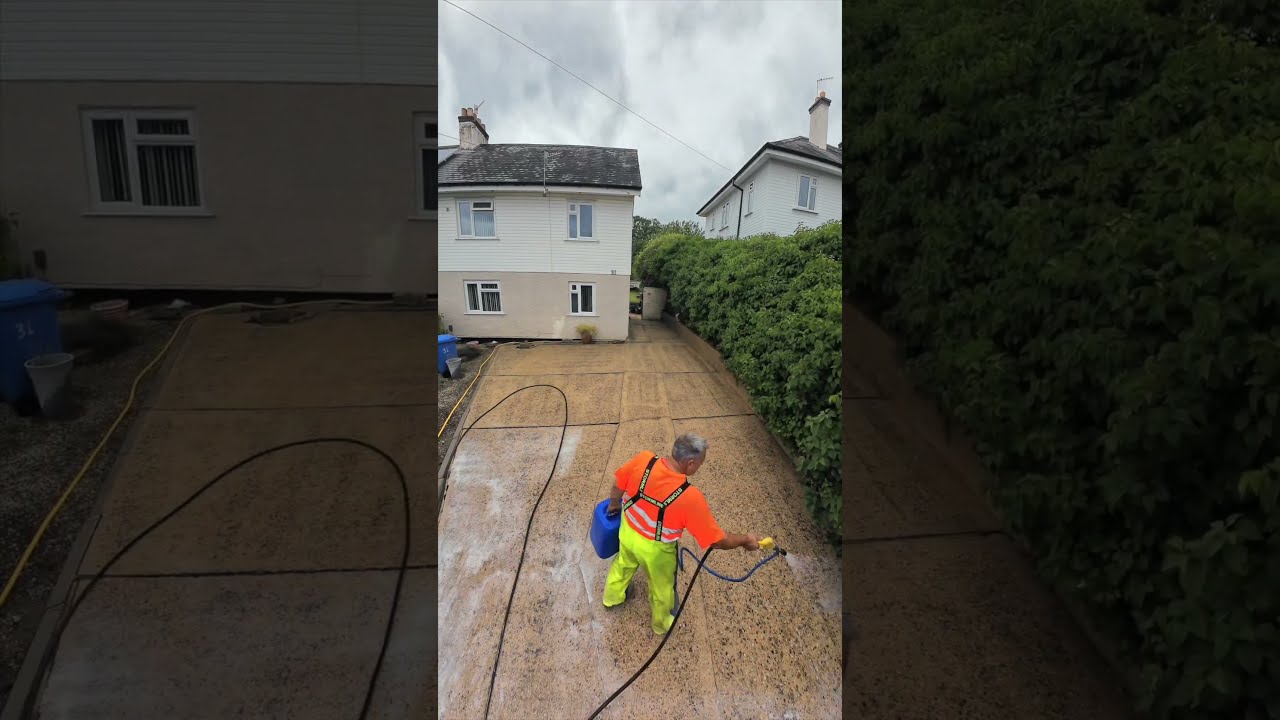
Nozzle and Spray Gun Issues
Worn or Blocked Nozzle
The nozzle orifice is precisely sized to create pressure. If it becomes partly blocked by grit or limescale, the spray pattern becomes uneven and the pump may pulse. If the orifice is worn, which happens gradually over many hours of use, it becomes larger and pressure drops permanently. Clean the nozzle with the small cleaning needle supplied with most machines, then flush it backwards with water. If the spray pattern still looks poor, replace the nozzle.
Wrong Nozzle Selected
A wide-angle nozzle, such as 40 degrees, delivers much less impact than a 15 degree nozzle. Check that you have the right tip for the job and that it is fitted properly. Some nozzles are colour coded, so confirm the colour matches the angle you intend to use.
Faulty Trigger Gun
Trigger guns contain internal seals and valves. When these wear or become clogged, pressure can leak internally or fail to build. Signs include water dripping from the gun body, a sticky trigger or pressure that drops when you hold the trigger for long periods. Replacement guns are inexpensive and easy to fit on most domestic models.
Hose and Connection Faults
High-pressure hoses suffer from abrasion, kinking and UV damage. Small leaks or bulges reduce pressure and are a safety risk, as a damaged hose can burst. Inspect the entire length of the hose and every coupling. Replace any hose with cracks, bulges, exposed reinforcement or leaking fittings. Geelong summers bring strong UV and heat, so hoses left coiled in direct sun can deteriorate faster than those stored in a shed.
Pump Problems
Worn Seals and O-Rings
Pump seals keep pressurised water where it belongs. Over time, especially with hard use or lack of lubrication, they wear and allow water to bypass internally. A common sign is water leaking from the base of the pump or pressure that gradually falls during use. Seal kits are available for many pump types, but fitting them correctly requires care.
Stuck or Dirty Valves
Inlet and outlet check valves open and close thousands of times a minute. Dirt, scale or wear can cause them to stick, leading to pulsing, surging or a sudden drop in pressure. Cleaning or replacing the valves can restore performance. Mineral deposits are a typical cause, particularly if the machine is stored with water still inside.
Unloader Valve and Pressure Adjustment
The unloader valve regulates pressure and diverts water when you release the trigger. If it is stuck, worn or incorrectly adjusted, pressure may be low or fluctuate. Many machines have factory-set valves that should not be adjusted without proper gauges. If you suspect an unloader fault, a service technician can test and calibrate it safely.
Cavitation and Overheating
Cavitation occurs when the pump cannot get enough water, forming air bubbles that damage internal components. Running the machine with the trigger released for more than a minute or two can also overheat the pump. If the pump feels very hot or makes a rattling noise, switch off immediately and let it cool.

Engine and Motor Issues
Petrol Engines
On petrol models, pressure loss can come from the engine itself. A dirty air filter, stale fuel, a blocked carburettor or a worn spark plug can reduce engine speed under load, which lowers pump output. Fuel left in the tank for several months can degrade, particularly with ethanol blends. Use fresh fuel, clean or replace the air filter and replace the spark plug according to the manufacturer’s schedule.
Electric Motors
Electric machines can lose pressure if the supply voltage drops, which may occur when using a long or thin extension lead. Use a heavy-duty lead rated for outdoor use and keep it as short as practical. Overheating motors may also trip thermal protection and cut performance.
Quick Diagnostic Checklist
Work through these steps in order to find the cause efficiently:
- Confirm the tap is fully open and the inlet hose is free of kinks.
- Clean the inlet filter screen.
- Purge air by running water through the gun before starting.
- Remove and clean the nozzle, then inspect it for wear.
- Check the hose and every connection for leaks or damage.
- Inspect the trigger gun for dripping or sticking.
- For petrol models, check fuel freshness and the air filter.
- If pressure is still low, have the pump, valves and unloader tested.
Maintenance Tips to Prevent Pressure Loss
- Always connect water before starting the machine and never run the pump dry.
- Flush the system with clean water after each use, especially after using detergent or working near the coast where salt is present.
- Store the machine in a frost-free, dry shed with the hoses coiled loosely.
- Use pump saver or lubricant if recommended by the manufacturer.
- Drain petrol machines of old fuel before long periods of storage.
- Replace nozzles, O-rings and filters regularly rather than waiting for failure.
- Have the machine serviced annually if used frequently or commercially.
Geelong-Specific Considerations
Local conditions can affect your pressure washer. Properties near Barwon Heads, Torquay, Ocean Grove and the https://trevorgyhr470.talesignal.com/posts/what-makes-soft-washing-the-safest-option-for-modern-stucco Bellarine coastline experience salt-laden air that can corrode fittings and metal components. Rinsing the machine and drying connections after use helps limit corrosion. Households that draw from rainwater tanks should ensure a suitable pre-filter is in place, as leaves, silt and sediment can easily clog inlet screens and valves. Tank pumps must also supply adequate flow, so check that your tank system can meet the machine’s minimum requirements.
Water restrictions in Victoria can vary with seasonal conditions, so it is worth checking current Barwon Water guidelines before cleaning large areas. Using the correct nozzle and a well-maintained machine also helps you clean faster and use less water.
When to Repair and When to Replace
Simple issues such as blocked filters, worn nozzles and damaged hoses are inexpensive to fix. Pump rebuilds can be worthwhile on quality machines, particularly those with brass heads and replaceable parts. On budget machines with sealed plastic pumps, the cost of repair can approach the price of a new unit. Ask a local repairer for a quote and compare it to the cost of a comparable replacement. Machines that are more than 8 to 10 years old, have a cracked pump housing or have repeated failures are often better replaced.
Getting Professional Help in Geelong
If you have checked the water supply, nozzle, hoses and filters and the pressure still drops quickly, the problem is likely inside the pump, unloader valve or engine. A qualified small engine and pressure washer technician can diagnose these faults using pressure gauges and flow tests, and can supply genuine parts that match your model. Professional servicing can also extend machine life and maintain warranty compliance. When contacting a local service provider, have your brand, model number and a description of symptoms ready, such as whether pressure drops suddenly, gradually or only after warming up.
Conclusion
Rapid pressure loss is usually caused by restricted water supply, a worn or blocked nozzle, leaking hoses, sticky valves or worn pump seals. Starting with the simple checks saves time and money, and regular maintenance prevents most problems. If basic troubleshooting does not restore performance, a professional diagnosis in Geelong will identify the fault and help you decide whether repair or replacement is the best option for your machine in 2026 and beyond.
Geelong Pressure Cleaning Pros
(03) 8657 4277
Corrections
Spot something wrong? Send it to the desk and it gets fixed in the open.